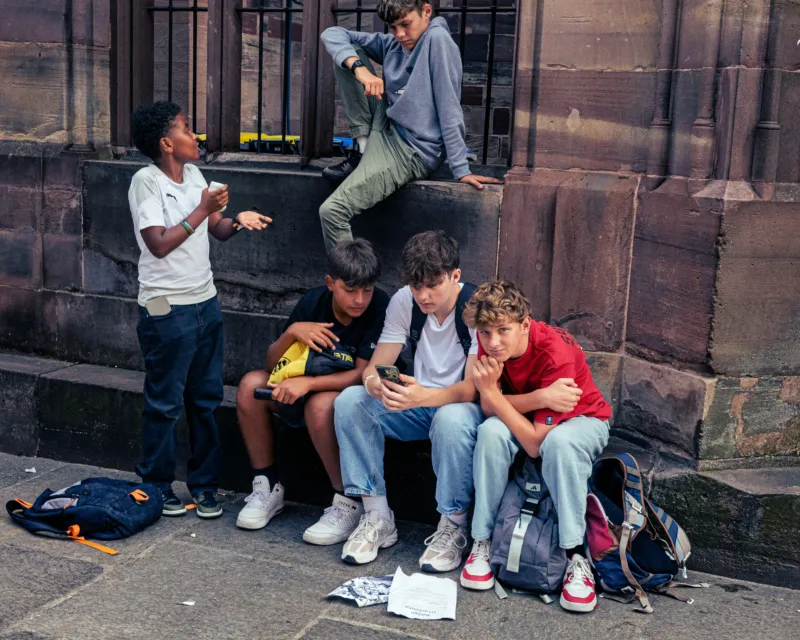
In het kort - Een digitale jongerenstrategie sluit aan op Gen Z en Gen Alpha. Wees zichtbaar waar zij zoeken (TikTok, Instagram, YouTube), kies mobile-first en omnichannel, wees authentiek en transparant, werk met user generated content en micro-influencers, en meet continu, ook zonder doorklik (zero-click).
How to Reach Young People via Social Media?
Social media are the starting point for young people. In fact, 46% of Gen Z uses TikTok and Instagram as search engines rather than Google (source: eMarketer 2024). This means that young people discover their information, inspiration, and potential purchases directly from social channels. Therefore, choose wisely where you are visible. Young people are mainly found on channels like TikTok, Instagram, and YouTube. Channels like Snapchat or Twitch can also be relevant for your target audience. Also important: think omnichannel. Young people expect to reach you everywhere, whether through WhatsApp, DM, or live chat. An omnichannel service shows that you cater to their preferences. Moreover, make your service personal: respond to comments and send messages as if they are from a friend. This personal communication strengthens the relationship and builds trust. However, think strategically about expanding to other channels. Does it fit your identity, and do you have the capacity to maintain the content?
The Rise of AI in Youth Communication
Artificial intelligence (AI) increasingly plays a role in how young people use social media. They use tools like ChatGPT or TikTok’s AI filters to create content and start trends, while also leveraging algorithms to land their content with the right audience. This means young people are not just consumers of content but also co-creators using AI. For marketers, this presents opportunities: think of interactive campaigns where young people use AI to create something themselves. This aligns with their digital behavior and shows that you are keeping up with their way of communicating.
Three Trends in Youth Search Behavior
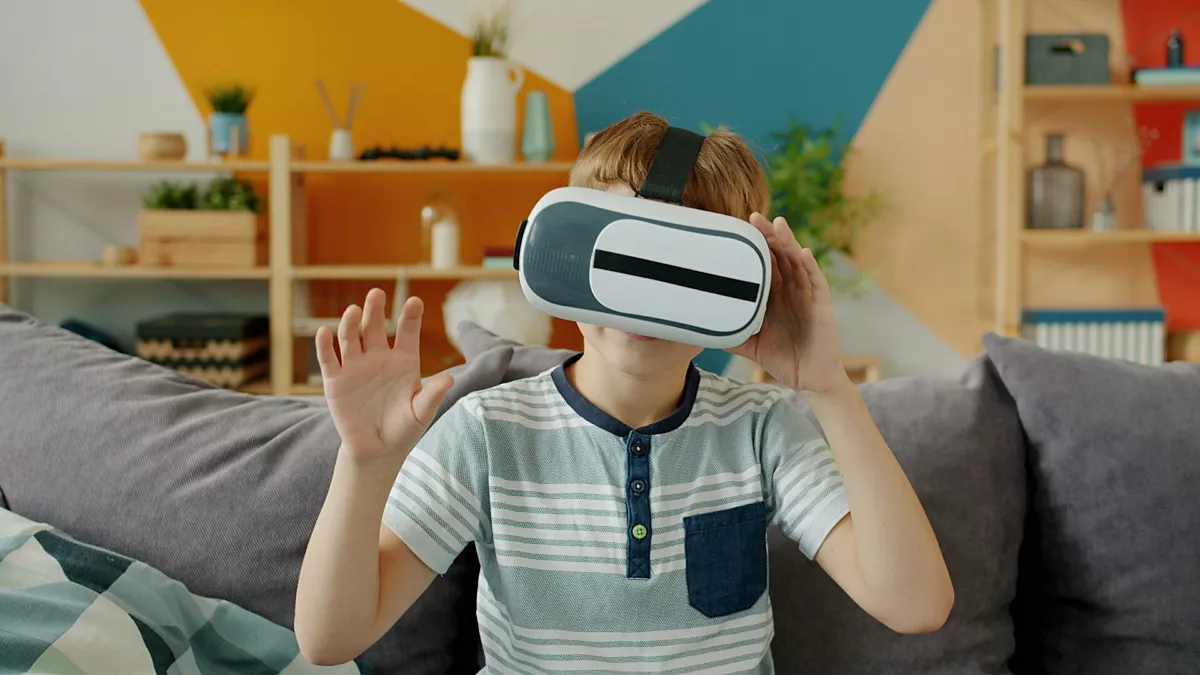
The digital world of young people is constantly changing. What is popular today may be outdated tomorrow. For marketers, this means: meet them where they are. Align with their behavior and world rather than trying to pull them to your preferred channel. We see several clear trends in how young people navigate online:
Mobile first: young people spend an average of 3.4 hours per day on social media. They mainly use their smartphones to watch content, buy products, and manage banking. [Source: Ruigrok What’s Happening Online 2025]. Therefore, a mobile-first website or webshop is not a luxury but a necessity.
Visual searching: TikTok and Instagram Search are gaining ground on Google. Young people no longer (only) search via long keywords in search engines but primarily through hashtags and short videos. Focus on visuals, movement, and music.
Nano- and micro-influencers: young people trust creators more than big celebrities (Cology Digital, 2024). Invest your budget in influencers with about 1,000 to 20,000 followers: their content feels relatable, honest, and close to home.
What Doesn’t Work in Youth Marketing?
Just as important as knowing what works is understanding what doesn’t. Young people are critical, digitally savvy, and can immediately tell when your content isn’t authentic. Overly polished advertisements and scripted conversations? Young people see right through perfectly produced campaigns. If a message feels too commercial or forced, they quickly lose interest.
The current youth demographic values sustainability, inclusivity, and diversity. But don’t make empty promises: this can permanently damage your reputation. Stay far away from greenwashing or inclusivity-washing and show genuine authenticity by staying true to your organization’s identity. Also, avoid long texts without visuals. With an attention span of just 8 seconds, your message needs to be immediately clear. Always ensure a visual approach and fast website loading times.
How to Create Authentic Content for Young People?
The keyword in youth marketing: authenticity. Young people prefer to connect with brands and organizations that clearly stand for something and share their values. This applies not only to marketing aimed at sales but also when audience engagement, participation, and cultural experiences are the focus. Clearly show what you stand for. Take responsibility for themes like sustainability, inclusivity, and social engagement.
You don’t have to do everything at once, but choose themes that truly align with your mission. Be open, transparent, and consistent in your message. Only with openness can you build lasting brand loyalty. User-generated content can also help. Generation Z values reviews from other customers more than older generations. About 45% of them base purchases on customer reviews [Source: Ruigrok What’s Happening Online 2025]. Engage young people by sharing responses, photos, or videos. Authentic content may not immediately lead to higher conversion but creates something even more valuable: trust and loyalty.
How to Measure the Success of Youth Marketing?
A digital youth strategy is only truly effective when you measure and understand what you achieve. Only then can you know if the approach works and where adjustments are needed. Measuring success is not just about conversion but also about audience engagement and participation. Our three main tips:
- Look Beyond Reach
Likes and views are superficial metrics. Analyze interaction: comments, shares, and DMs provide a better picture of the engagement of your youth audience. - Track Mobile Conversions
Youths primarily make purchases via their smartphones. Keep results from this device separate so you can better respond to mobile behavior. - Listen to Your Community
Youths are eager to share their opinions—in comments, reviews, and direct feedback. Be open to their input, as these qualitative signals are just as valuable as numbers.
A new development that is becoming increasingly important is the rise of zero-click content. Youths often find their information within the platform itself, whether it’s TikTok Search, Instagram Reels, or AI summaries in search engines. Without clicking through to an external website. This means that traditional metrics like website traffic say less about your success. Focus instead on platform metrics like views, watch time, comments, and repeated interaction. Zero-click content requires a broader perspective: it’s not just about conversion but about building recognition, trust, and community, even without the user visiting your website. By measuring results and actively responding to what your audience does and says, you show young people that their opinion matters. This strengthens the bond with your brand.
Five Tips to Get Started with Your Digital Youth Strategy
Youth marketing requires courage, speed, and agility. Generation Z and Generation Alpha expect brands to understand, engage, and take them seriously. Start today with these five steps for successful youth marketing:
- Choose the right channels and be present where young people search.
- Ensure a mobile-first and omnichannel experience.
- Avoid superficial campaigns: be authentic and transparent.
- Engage youths through user-generated content and nano- and micro-influencers.
- Continuously measure and maintain dialogue with your community.
This is how you develop a digital youth strategy that not only works now but is also future-proof. Want to learn more about how to tailor your digital strategy to your audience of the future? Follow a workshop or incompany: prepare for the 'Audience of the Future' at the DEN Academy.
Listen to Culture Shift and Learn More About Youth Marketing
In the fifth episode of DEN's podcast Culture Shift, host Anic van Damme, sidekick Splinter Chabot, and Dutch Design Foundation's head of marketing Selin Şen dive into youth marketing; how do you excite young teens about art and culture? They discuss the inspiring approach of the Belvedere Museum in Vienna.
Veel gestelde vragen
Wat is een digitale jongerenstrategie?Hide explanationShow explanation
Een aanpak om jongeren (Gen Z en Gen Alpha) digitaal te bereiken en te betrekken, afgestemd op hun kanalen, taal en waarden. In de cultuursector verbindt het jongeren met kunst, erfgoed en cultuur.
Hoe bereik je jongeren het best?Hide explanationShow explanation
Wees zichtbaar waar zij zoeken: TikTok, Instagram en YouTube. 46% van Gen Z gebruikt TikTok en Instagram eerder als zoekmachine dan Google (eMarketer). Kies mobile-first en omnichannel.
Wat werkt niet bij jongerenmarketing?Hide explanationShow explanation
Te gelikte of commerciële campagnes, loze beloftes over duurzaamheid of inclusiviteit, en lange teksten zonder beeld. Jongeren prikken daar direct doorheen.
Wat is zero-click content?Hide explanationShow explanation
Content die jongeren binnen het platform zelf bekijken — via TikTok Search, Reels of AI-overzichten — zonder door te klikken naar een website. Meet dan platformstatistieken, niet alleen websiteverkeer.
Hoe meet je het succes van jongerenmarketing?Hide explanationShow explanation
Kijk verder dan likes en views: analyseer reacties, shares, DM's, mobiele conversies en community-feedback, plus platformstatistieken zoals kijktijd en herhaalde interactie.
Workshop: Prepare for the 'Audience of the Future'
Does your offering still align with a new generation of visitors? They are growing up in a digitized society. What does this mean for your organization, and what will your offering look like in 15 years?
- Learn to 'explore the future' and think in scenarios
- Understand the needs of different generations
- Prepare for the future now
Do you want to learn with your team who your future audience is and how you can engage with them? Start future exploration for your organization with the Incompany 'Audience of the Future'

More articles per topic