
Episode 6: What a cyberattack feels like. And how to prevent it.
Cybercrime seems like something that happens to other organizations until you find yourself in the middle of it. The British National Museum of Royal Navy and a Dutch library experienced firsthand what happens when systems fail, data is at risk, and no one knows the extent of the damage. Read more here about what exactly happened during the cyberattack. (opens in new tab)
In episode 6, George Wilson and Darius Heydarpour take you through the first hours of a cyberattack: the confusion, the uncertainty, and the decisions that must be made under high pressure. From their personal experiences, they share the lessons they learned afterward, from backups and security to crisis management and recovery. Together, they explore how cultural organizations can enhance their digital resilience when the unexpected occurs.
Episode 5: Youth marketing in virtual worlds
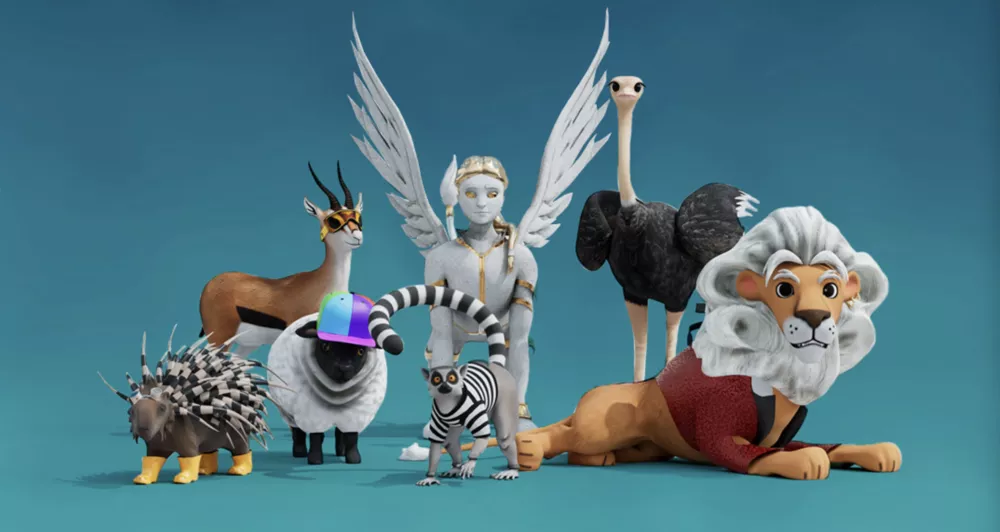
The Belvedere Museum in Vienna brings its 300-year-old collection to Roblox and augmented reality. With projects like Art Leap and Fantastic Palastics, the museum explores how games connect children and teenagers to art and culture in a natural way. Read more about their projects in this article. (opens in new tab)
In episode 5, Constanze Mitterhuemer shares how these digital experiences were developed and the insights behind them. Selin Şen (Dutch Design Foundation) discusses how cultural organizations can reach young people without targeted online marketing. Together, they explore how cultural institutions can connect with the world of a new generation.
Episode 4: Why gaming and culture can go hand in hand
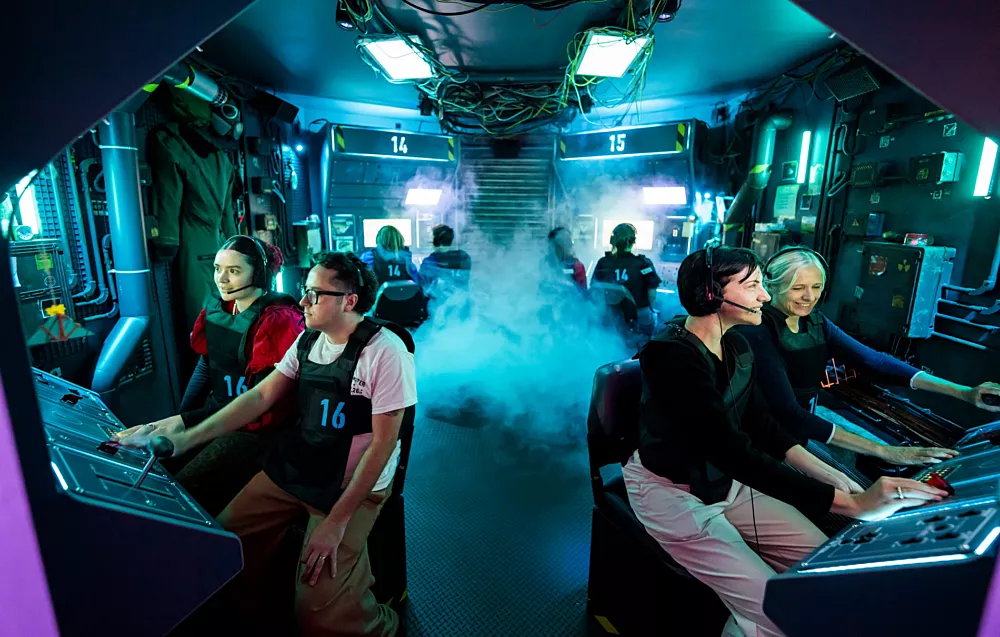
Gaming and culture are increasingly intertwined. The live-action game Lander23 by Punchdrunk demonstrates how theater, technology, and interactive storytelling come together in an experience where visitors become part of the story themselves. Read more about this experience in this article. (opens in new tab)
In episode 4, Thomas Keane explains how audio, AI, and gaming principles foster active participation instead of passive viewing. Hayo Wagenaar (IJsfontein) shares how game design and psychology make complex stories tangible, from interactive museum experiences to healthcare applications. Together, they explore how a smart digital layer transforms audiences into engaged participants.

Episode 3: Smarter visitor flows thanks to data
From crowded halls to hidden busy spots: data helps museums better guide visitors. The British Design Museum also used data to improve the museum experience. (opens in new tab)
In episode 3, Josephine Chanter explains how data became part of their digital strategy and how to make an organization data-driven. With Splinter Chabot and Evita Goettsch, host Anic van Damme explores what can be achieved even with a small budget today.


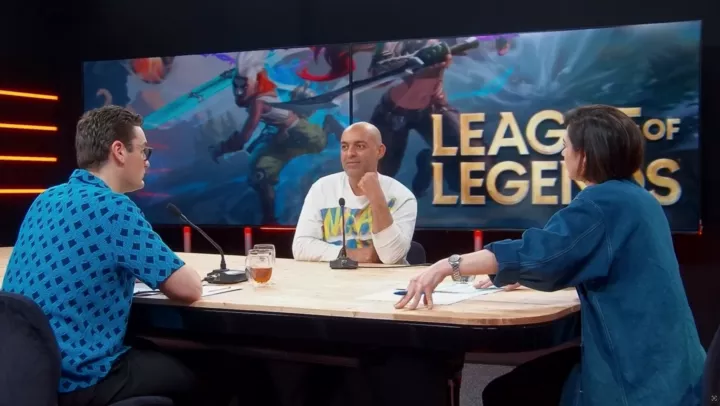
Episode 2: From League of Legends to immersive theater
How do you translate one of the world's largest games into a physical experience? In China, Riot Games and Punchdrunk are building Immersive Arcane, a world without chairs or fixed stages, where visitors determine their own route and story. Read more about this immersive performance in this article. (opens in new tab)
In episode 2, Conor Doyle explains how to design an experience where the audience takes control. Chafik Benhmidouch demonstrates how technology enhances the experience without distracting. Together, they explore what cultural creators can learn from gaming, immersive storytelling, and new audience forms.
Episode 1: What if art talks back? AI and new audience experiences
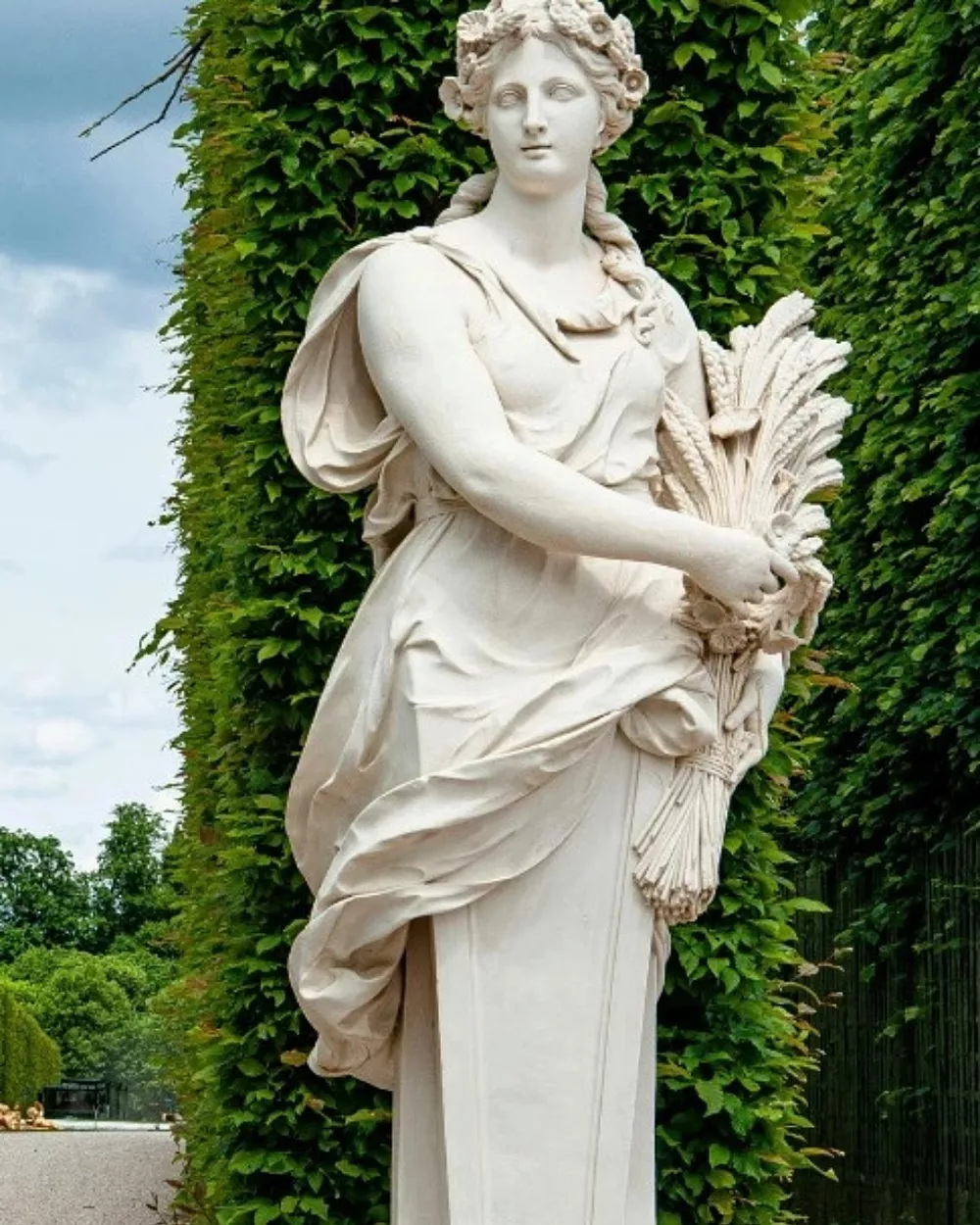
In the gardens of the Palace of Versailles, visitors can, for the first time, interact with centuries-old statues. Thanks to AI, iconic figures like Apollo respond directly to the audience. Read more about the purpose of this experience in this article. (opens in new tab)
In episode 1, Paul Chaine explains how Versailles developed this interactive experience. Marijn Alexander de Jong shows how he uses exec.DEUS to explore what happens when visitors physically engage with AI. Together, they delve into how artificial intelligence is transforming audience experiences and why experimentation is no longer something for the future.


Season 2 podcast Culture Shift
In season 2 of Culture Shift, we discuss the most innovative, striking, sometimes bizarre, daring, and always exciting examples of digital transformation in the cultural sector. We talk about these topics with pioneers from all over the world: America, Japan, Belgium, and England.
S2:E1 Elvis lives! Thanks to AI and holograms (with England's Layered Reality)
S2:E3 Let the audience participate with gamification and RFID (with America's Meow Wolf)
S2:E4 How to use the most intimate form of storytelling (with Belgium's SneakPeek)
S2:E5 Reaching young audiences with this success strategy (with England's V&A Museum)
S2:E6 Is The Sphere too far? Belgium builds its own digital arena (with Belgium's Corda Arena)
S2:E7 How a top university uses AR to innovate opera (with America's MIT)
S2:E8 Accessibility: glasses with subtitles for the deaf (with London's National Theatre)
S2:E9 An exciting experiment: AI as creator & main character (with Denmark's Sh4dow)
S2:E10 Live broadcasts, a new business model? (with America's Smithsonian)
Season 1 podcast Culture Shift
This is the first season of Culture Shift. An inspiring podcast for culture professionals about digital transformation. Every day is a new chance for change. And that transformation starts with you. Together, we can make the cultural sector future-proof. Listen to inspiring trailblazers and driven experts from the cultural sector.
S1:E1 The audience of the future with the Rijksmuseum
S1:E2 New creation and experience with Effenaar
S1:E3 What is digital transformation
S1:E4 Digital accessibility and inclusion
S1:E5 Impact thinking
Or listen to the Culture Shift podcast via Apple podcast.