What can you expect?
Looking ahead is looking back and creatively anticipating what is to come. And that is exactly what you will do in this incompany together with your colleagues!
Based on theory about what 'exploring the future' is and inspiration from pioneers in the sector, you will work with four scenarios for cultural organizations in 2036. In groups, you will visualize what these mean for your offering, the audience, and your business model in 10 years.
Which future is most desirable, and are you prepared for other outcomes? What does your organization need to do today for that?
What will you learn?
1. Scanning signals and trends
The importance of scanning signals and trends that point to change and how to systematically map them for your organization.
2. Recognizing patterns and giving meaning
Searching for patterns behind the signals and trends that are important to you. Which major uncertainties will influence your organization?
3. Creating and exploring future scenarios
Based on the major uncertainties, you can formulate your own scenarios. In the workshop, DEN has already done this for you, and you will start working with them directly.
4. Translating scenarios into the present and turning them into actions
How do you translate the insights from the scenarios into new experiments and strategic choices in the present so that you anticipate possible futures instead of reacting?
Past participants about this course:
"Even in a scenario that initially seemed dystopian to me, we gradually came up with opportunities and solutions during the discussion. If you let go of the fear of the future, you see a beautiful path." - Marjan Ruiter, director of the Zeeuws Museum
"I want to thank you again for the valuable session we experienced with you. It has been a while, but still. Some documents are pinned to my board, and we continue to discuss them internally." Ronald Wintjens, director of Nederlandse Dansdagen
Results
After the workshop, you will have:
- Knowledge of the methodology of exploring the future and understand its importance.
- Insight into how your audience experiences and will experience culture in 2035.
- Insight into the opportunities of digital transformation based on inspirational examples from the sector.
- Worked with the DEN future scenarios and how to apply them to your organization.
Interested?
The training 'Exploring the Future: Ready for the Audience of the Future' is an incompany workshop. The date and location are determined in consultation. After registration, we will schedule a call to discuss the possibilities and wishes together.
Curious how other cultural organizations have already successfully attracted young people to culture by using youth marketing? Listen to the fifth episode of DEN's podcast Culture Shift Season 3 and discover how cultural institutions can connect with the world of a new generation.
Trainers

More training

Bootcamp 'Digital strategy for the cultural sector: from plan to practice'
Workshop 'Exploring the Future: Ready for the Audience of the Future'
In this course, we will work on exploring the future for your digital strategy.
Workshop 'Deepening in AI for the Cultural Sector'
During this in-depth 2-day workshop, you will learn how AI truly helps you in your daily work. Work smarter, more consistently, and more creatively within your cultural organization.
Digital Leadership
Leadership program on how to leverage digital opportunities
New(s) on DEN
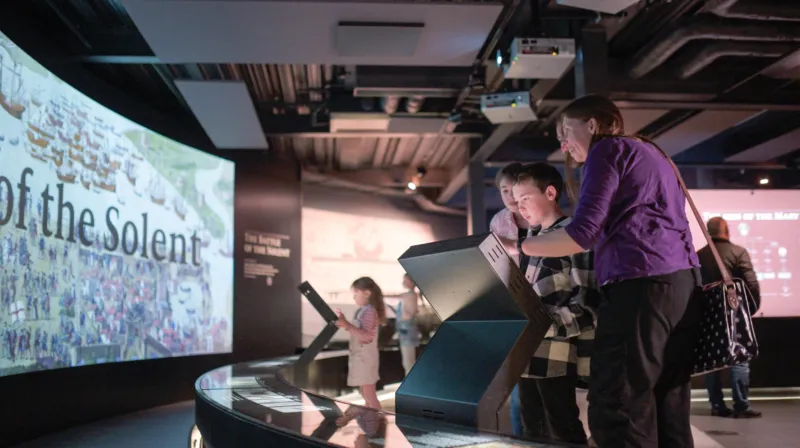
40 years of heritage lost? What a cyberattack does to your team and organization
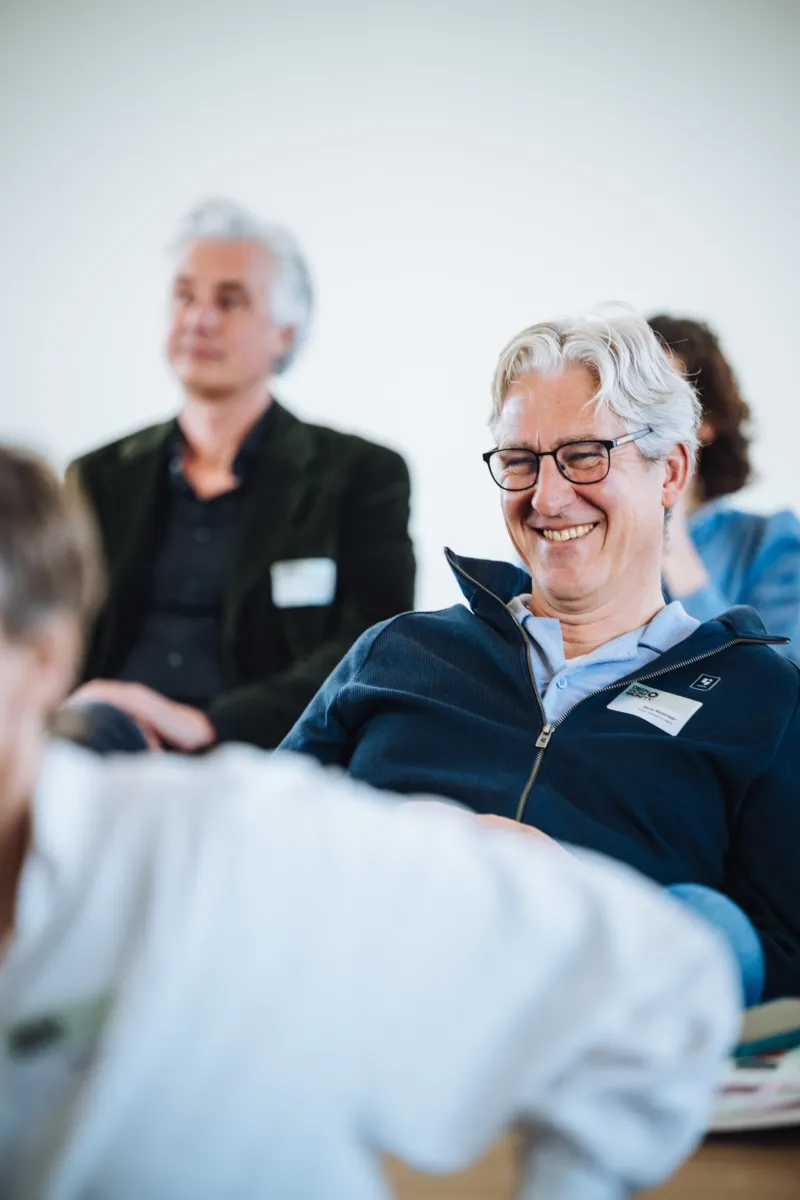
DEN Community Meet-up: Exploring the Future
DEN Community meet-up 'Exploring the Future'

Working with local AI models: easier than you think
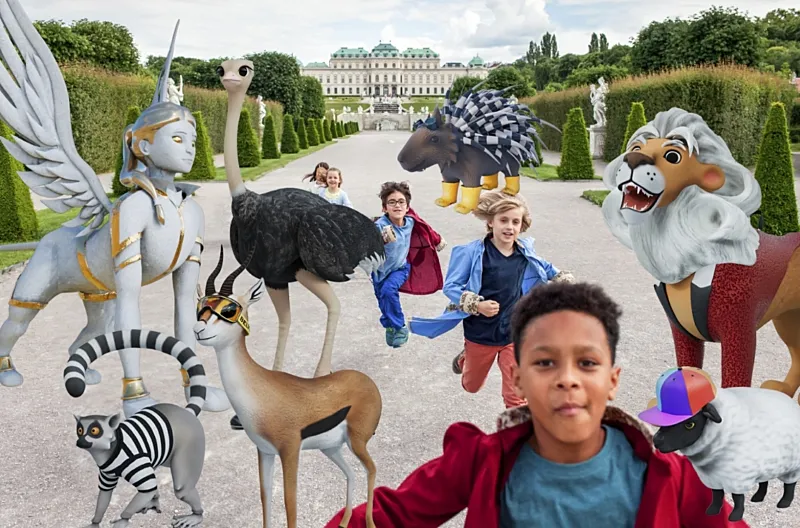
From Baroque to Roblox: This is how you truly get the TikTok generation into the museum