Curious about how the Belvedere Museum in Vienna transforms their 300-year-old palace into an interactive playground? Check out or listen to DEN's podcast Culture Shift season 3, episode 5: Youth marketing in virtual worlds.
"Look at the statistics," says Constanze Mitterhuemer, Head of Digital Communication at the Belvedere Museum in Vienna. "In certain target groups, children spend more time on Roblox than on TikTok and Instagram combined."
The 300-year-old Baroque museum is focusing on gaming. The goal? Lowering the threshold and creating a positive first association with art. And this young audience is important to them. Mitterhuemer: "We believe these are our future visitors. The museum is a place for societal debate. It's essential that young people feel welcome here."
Digitally jumping into the painting
Belvedere developed the Roblox game Art Leap, where players use their avatar to climb through five masterpieces and discover the world behind the painting, such as The Kiss by Gustav Klimt. The game has already attracted 3.5 million virtual visitors from around the world. “We want people to be able to visit Belvedere from anywhere. This is also for people who have never heard of Belvedere or have never been to a museum at all.”
Players can also purchase digital accessories, such as a crown or wings for their avatar, for small amounts. When asked if this is a serious additional revenue stream for the museum, Mitterhuemer responds cautiously: “We ask for very small amounts, just like buying something small in the gift shop, a memento of your visit.”
Extracting relevant insights from the data can sometimes be a challenge, explains this pioneer. “About half of the players are officially over 18, but that's probably because children are playing on their parents' accounts.” The key metric for success? A whopping 96% of players gave the game a thumbs up. According to Mitterhuemer, the best rating for a museum ever.
Pokémon Go in the museum
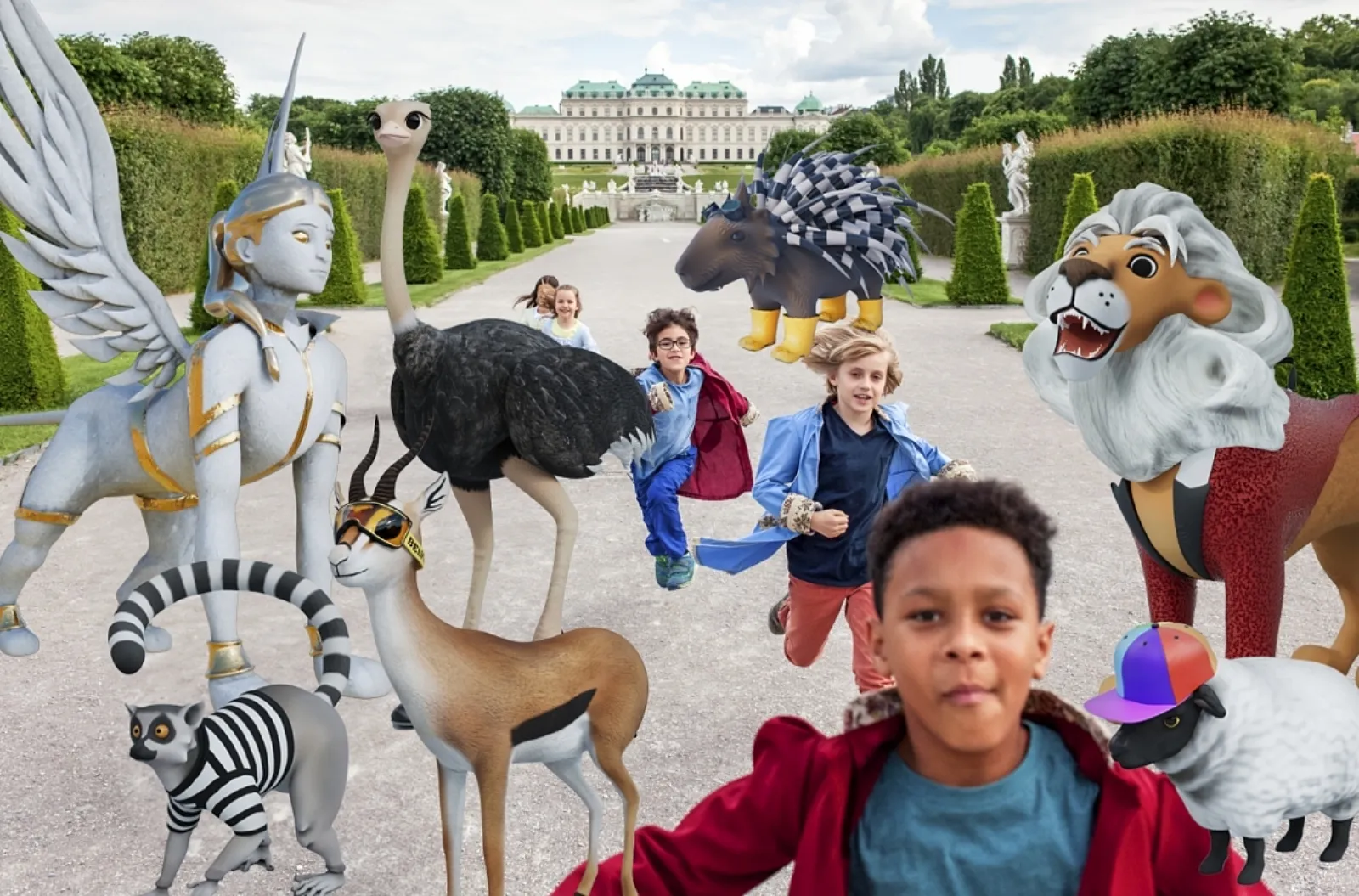
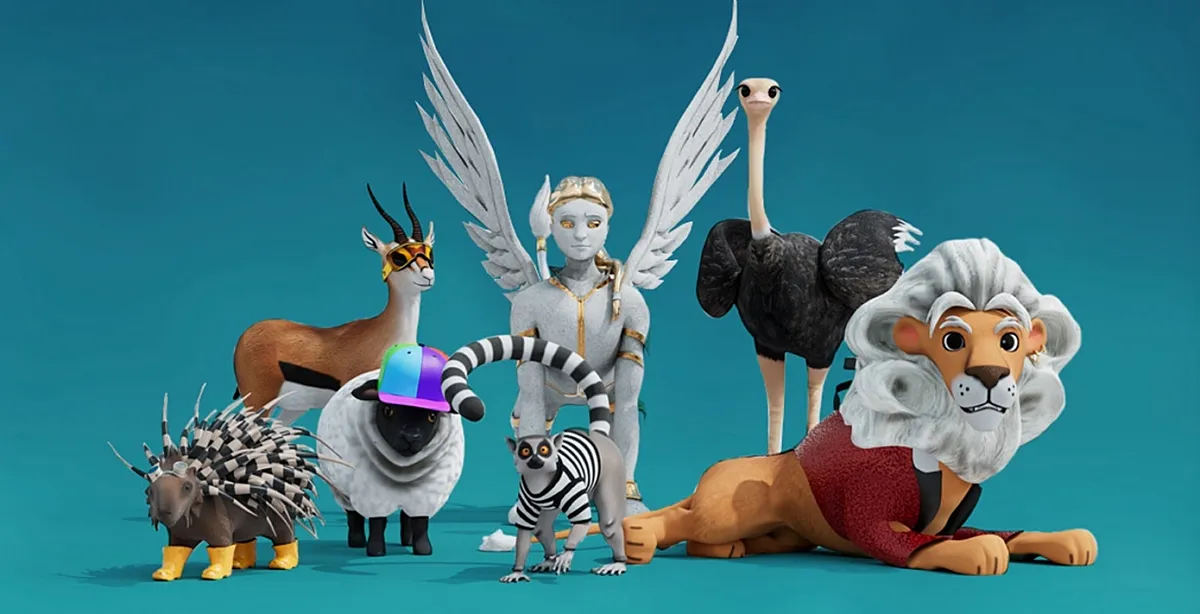
And once you have young visitors on-site, gaming remains the tool to offer them an immersive, positive experience together with their family. With Niantic Labs (the maker of Pokémon Go), the museum developed the Augmented Reality game The Fantastic Palastics. Historical figures appear via your phone in the real world, just like in Pokémon Go. “It started as a game for the gigantic palace garden, but due to its success, the narrative experience has now been extended to the museum halls themselves.”
The development process taught Mitterhuemer important tech lessons: "Kids love the interactive AR part; it draws them in. Only then can you add deeper, educational elements. Additionally, the software must be extremely battery-friendly. People don't always come in with the latest smartphone or update."
Don't fall into the hype trap
Despite the success, Mitterhuemer warns against a common mistake in digital transformation: "Never start with the platform because it's 'hip,' or because you ‘want to do something with TikTok or Roblox’. Your project will inevitably fail. First, there must be a rock-solid idea, then you find the right medium. If you do it the other way around, you might create a one-time PR stunt. You need to build something that you can maintain even a few years down the line."
A speedboat moves faster
Her advice to the cultural sector is clear: maintain your high-quality standards, but dare to experiment. Mitterhuemer: "Think of it as a small, fast speedboat that keeps returning to the large mothership. Explore the innovative world, but stay in dialogue with the foundation and core values of your institution."
Curious about the episode of Culture Shift where Anic van Damme, Splinter Chabot, and Dutch Design Foundation's Head of Marketing Selin Şen discuss this approach? In this video, you can see the entire podcast episode.
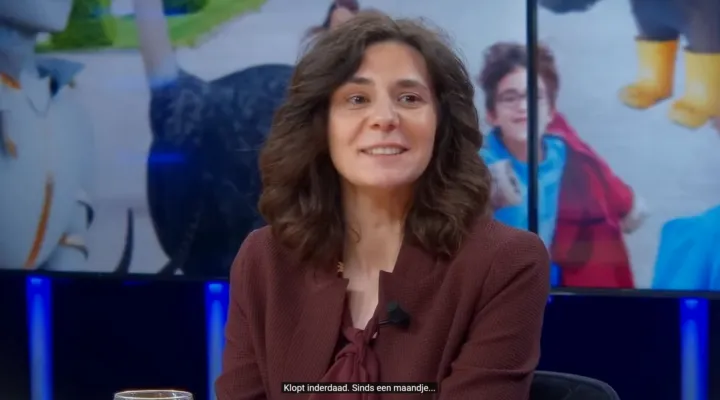
Podcast Culture Shift season 3
In the third season of the podcast Culture Shift, we talk to a different international pioneer in culture and technology in each episode. Think innovations around gamification, AI, and data-driven work. How do they approach it, and what is the significant added value for their audience énd organization?
Host Anic van Damme and sidekick Splinter Chabot discuss this case with an expert from the sector and ask the question: what inspiration can we draw in the Netherlands from this innovative example?
More articles per topic