Curious about how technology can enhance audience experiences? Listen to DEN's podcast Culture Shift season 3, episode 2: From League of Legends to an immersive performance.
Need for self-determination
The traditional theater setup is increasingly giving way to worlds where the visitor takes control. According to the director and artistic leader of this immersive musical, Conor Doyle, this is a logical development. "People want more self-determination, whether it's how they present themselves online or how they experience their night out."
This need for control is directly reflected in the popularity of open-world video games. In these games, players choose their own path and largely determine their own experience.
The company behind League of Legends, Riot Games, is collaborating with Punchdrunk and Tencent on this performance. Tencent is a Chinese media entertainment giant, and Punchdrunk is known for their groundbreaking immersive productions. Doyle worked for years on their most famous production, Sleep No More, in New York and is now focusing on the Asian market. The show is set on the top two floors of a hotel in Shanghai.
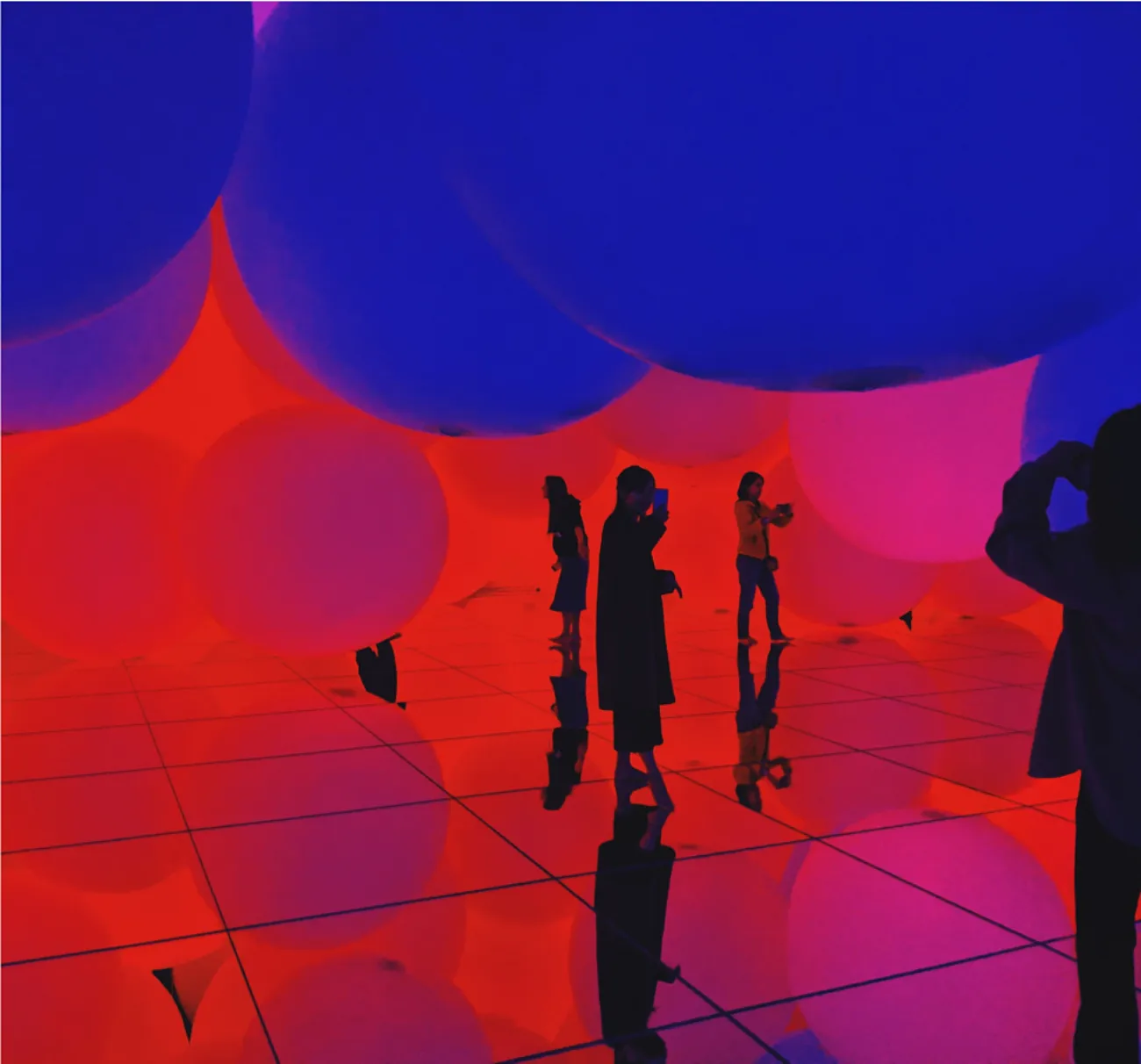
A space of 3000 m2 is transformed into two worlds from the series: the high-tech city Piltover and the underworld Zaun. Upon entering, each guest receives a raven mask. This makes you part of the world and a character in which multiple stories unfold simultaneously.

Intimate
Next, you go on an exploratory journey in the worlds where about 20 performers roam. "You get a sort of mission, you go looking for information," says Conor Doyle. "You get the chance to move from room to room and travel along with the character you want to follow."
And it can be very intense, Doyle continues: "For example, a character might take you to a small room, lock the door, maybe take off your mask, and whisper their deepest secret in your ear."
Working with IP
Immersive Arcane is a licensed production. After all, the rights belong to Riot Games, but this did not limit the director in the creative process. "You might expect them to be very cautious about ideas to adapt their successful world," says Conor Doyle, "but they liked all the suggestions we made and welcomed everything."
The creators expect this form to attract a new group of people to their performances, such as fans of Arcane and gamers.
The challenge with screens
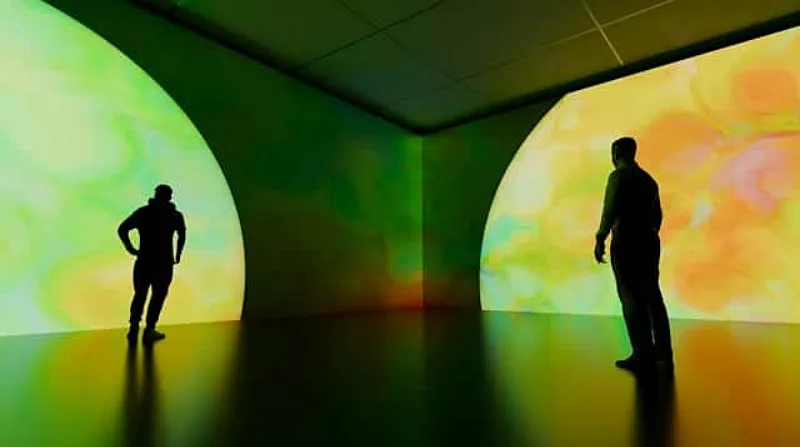
Screens are increasingly used in the cultural sector. Conor Doyle is also enthusiastic about them: "It's a fantastic extra layer to play with; it can make it seem like there's a whole world hidden behind a wall." But it also adds complexity, he says: "In a world where you can move in 360 degrees, a screen also acts as a magnet. We are looking for ways to sometimes let the screen fade more into the background."
Focus on audience experience
If you want to build an immersive world yourself, Conor Doyle shares his most important lesson: "More traditional creators are often too focused on the story they want to tell or the characters. But if you want to develop immersive experiences, it has to be radically different," he says. "Put your visitor at the center and think about what you want them to experience."
With scent or sound upon entry, you can already help your guest step into the other world. Think about how you can extend the visitor experience or give them a certain role or mission so they truly become part of the story."
Are you curious about the episode of 'Culture Shift' where Anic van Damme, Splinter Chabot, and producer and director Chafik Benhmidouch discuss this project? In this video, you can watch the entire podcast episode.
Podcast Culture Shift season 3
In the third season of the podcast 'Culture Shift,' we speak to a different international pioneer in culture and technology in each episode. Think of innovations around gamification, AI, and data-driven work. How do they approach it, and what is the significant added value for their audience and organization?
Host Anic van Damme and sidekick Splinter Chabot discuss this case with an expert from the sector and ask the question: what inspiration can we draw in the Netherlands from this innovative example?
More articles per topic