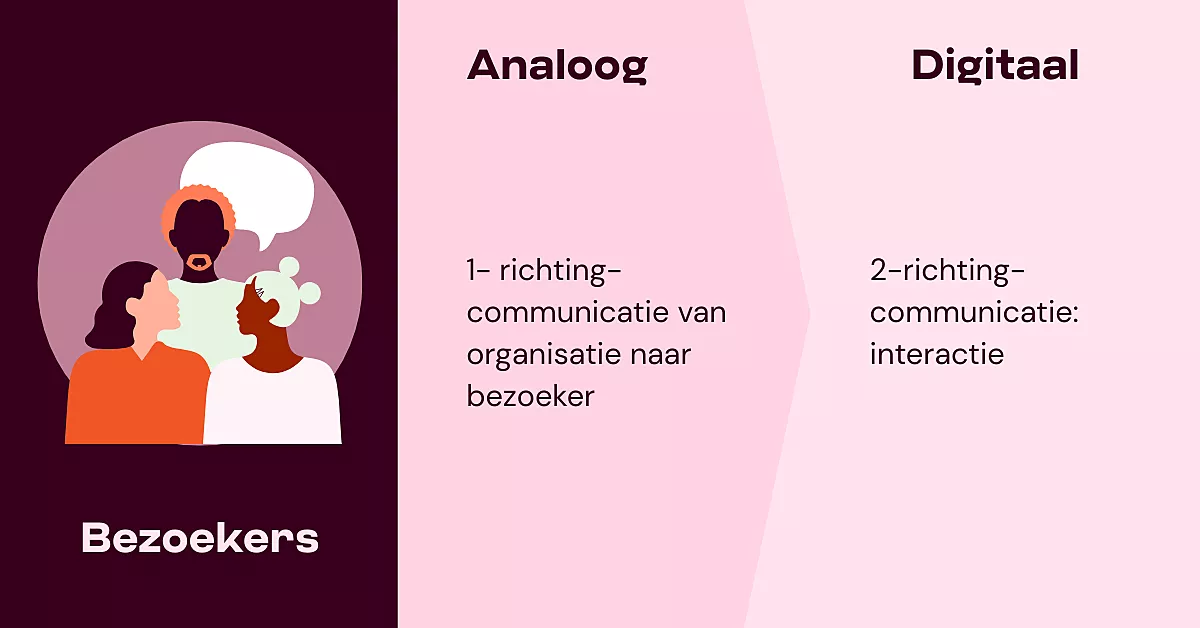
1. Change the interaction with your visitor
In the past, contact with your visitor mainly consisted of broadcasting. You placed an ad in a newspaper or bus shelter and had no idea what your visitor thought of it. Now, that contact goes both ways. Your visitor can find you just as easily if they want to communicate with you. Think, for example, of online reviews and reactions on social media.
Of course, it takes extra work to maintain that contact. At the same time, it’s an opportunity: you better understand what the visitor wants from you. Moreover, through digital channels, you can better determine which communication works: you can see it immediately in the number of likes on a post.
By seizing these opportunities, you can build a strong network of visitors. They become more than just buyers of your product: they are ambassadors of your brand. Ask loyal visitors, for example, to play a role in your programming or invite them to be part of a focus group. By offering them a platform, you strengthen the bond. If you don’t, you miss important opportunities to connect visitors to you.
Take, for instance, retailers who have successfully implemented omnichannel* strategies, where physical and online complement or even create a unique experience together. Coolblue, for example, was once solely an online store but is now found in shopping streets across the country. These showrooms, pick-up points, and service centers combined add a lot to the visitor experience.
*Omnichannel: aligning online and offline channels to improve the visitor experience.
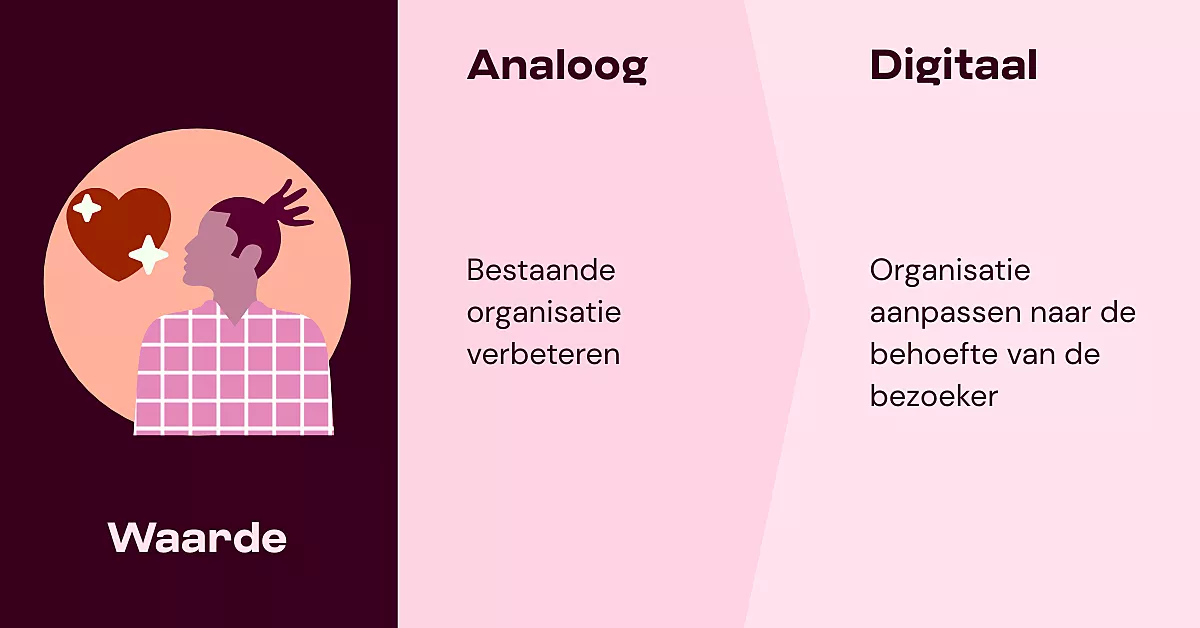
2. Continuously adapt your product or service to changing needs
Some products and services fit very well in a world without the internet but have become significantly less relevant in today’s digital world. Think, for example, of renting a physical DVD at a video store or reading a newspaper on paper.
Companies adapt to this changing world. Videoland was acquired by RTL Netherlands in 2013, leading to the closure of hundreds of video stores, and is now a streaming platform. Similarly, many newspapers now offer – or even exclusively provide – a digital version. In doing so, they cater to visitors' desire for anytime, anywhere access to movies or the latest news.
As a cultural institution, ask yourself what your visitor's needs truly are and how a digital version of your product or experience aligns with them. Think, for example, of the e-book and audiobook platform offered by libraries or the digital tools museums use to give visitors a preview of the experience awaiting them. Some institutions take this to the next level, such as the virtual museum by Naturalis or the online collection and background stories of the Van Gogh Museum. This way, you also serve visitors who may find it difficult to visit your physical location, whether due to distance or mobility issues.
Reassuringly, cultural institutions are unlikely to abandon their physical offerings anytime soon. The strength of a museum, theater, or library lies in the on-site experience. See digital possibilities primarily as a supplement or enrichment, both on-site and beyond. However, it's important to be prepared for changing visitor desires, as digital developments can dramatically shift the world.
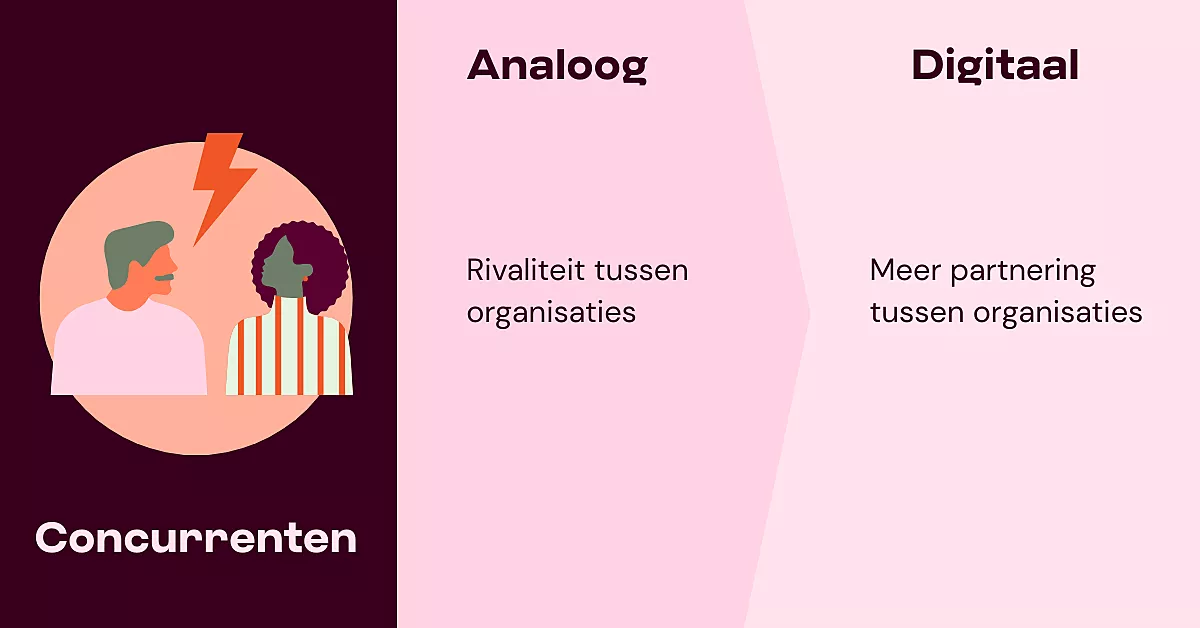
3. Turn competitors into partners
More and more successful companies are platforms. They don’t offer products or services themselves but provide others the opportunity to showcase their products. Think of accommodation site Airbnb, taxi platform Uber, and online marketplace Etsy.
The strength of these companies: they have a completely different business model. Which local taxi company could have imagined fifteen years ago that a tech company would become its biggest competitor?
When thinking about a company that offers something similar to your organization, don’t immediately think in terms of competition. Could this also become a partner? How can you collaborate to create more value for the visitor? And how can you save money and time by doing so? If you don’t, you risk being one of the few companies operating alone.
4. Use data strategically
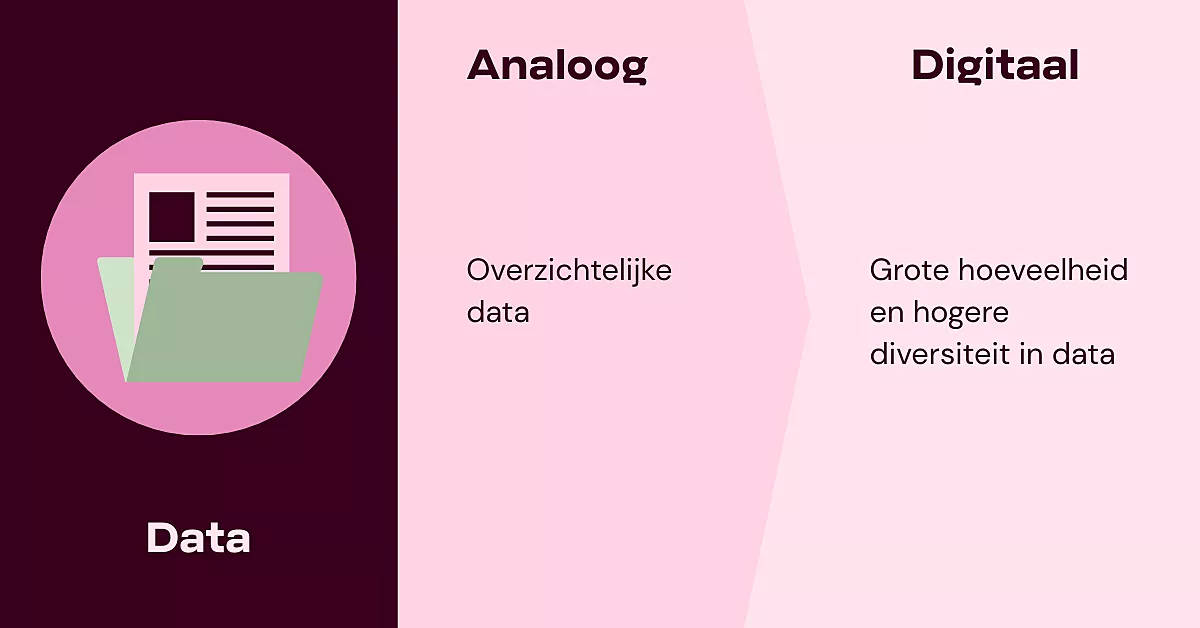
Years ago, we had little insight into the wishes and behaviors of our visitors. At most, we tracked visitor numbers and sent out surveys. The rise of digital technology has changed that. Now, we have a wealth of data at our disposal: from the number of clicks in newsletters to the number of stars on review platforms.
In all that data, you can sometimes also drown. That’s why it’s important to bring structure to it. The Metropolitan Museum of Art in New York collected 100,000 email addresses in a short time by asking visitors to fill in their details in exchange for free Wi-Fi. These details provide valuable insights into who exactly visits you. When you take the time to analyze them, you can identify patterns in visitor behavior. When do tourists visit your museum? Which theater performances interest young people? You can tailor not only your offerings but also your marketing and communication to these insights. This data is – and will continue to be – crucial for aligning your product with the audience of the future.
5. Experiment and learn
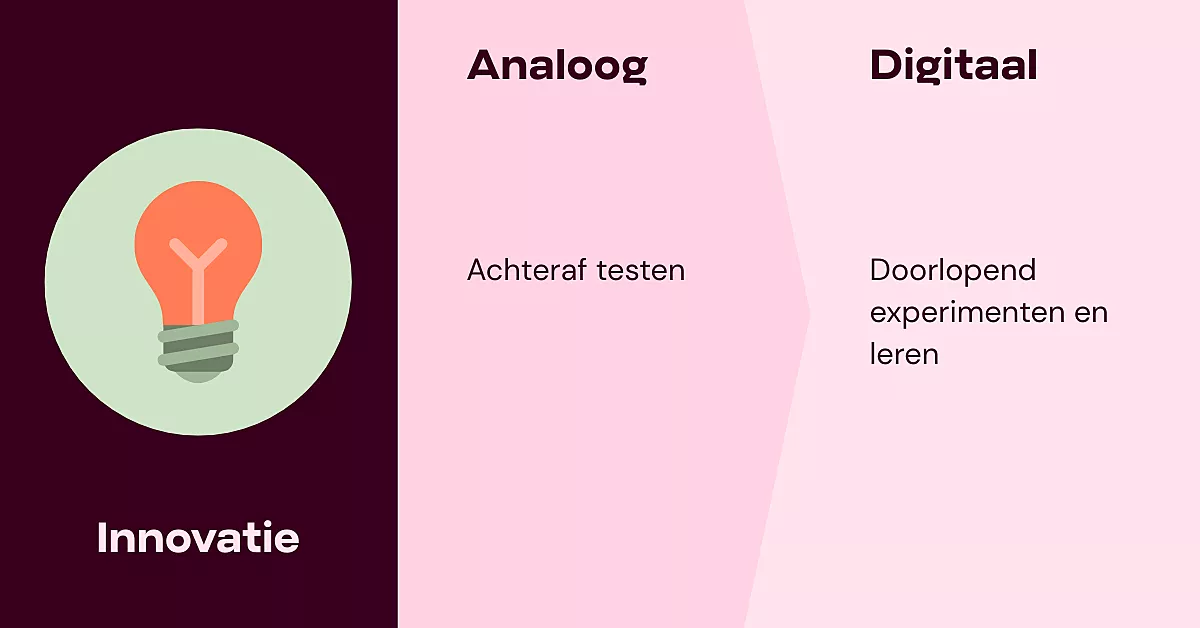
Of course, you can choose to only show your product to your audience once it’s fully finished. Digital technology offers the opportunity to do it differently. Did you know that Booking.com runs about a thousand experiments simultaneously? This allows them to rapidly improve their platform and help you book a hotel or apartment as quickly as possible.
Of course, you don’t have to run a thousand experiments at once. However, you can quickly gather feedback from your customer thanks to digital technology. Which social campaign resonates best? Which name suits your performance best? Present different versions to your audience and see what they choose. If you don’t, you miss important opportunities to improve your product.
Author: Anne van den Dool
Discover the latest digital trends in the cultural sector
Receive our newsletter with tips, knowledge, and inspiration about digital transformation in culture.

More articles per topic