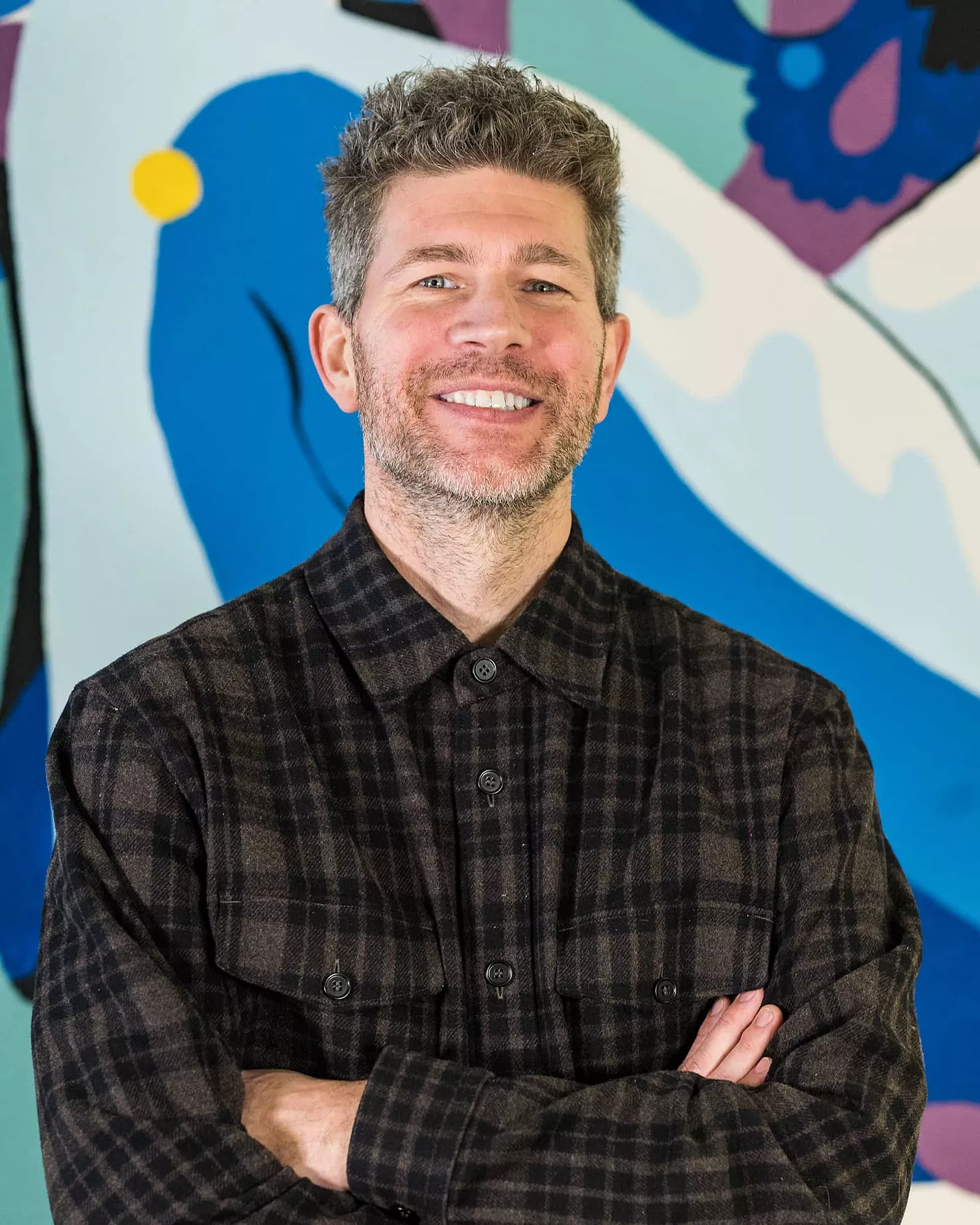
The foundation for the Audience Monitor was already laid before DIP was established, and during the pandemic, it gained momentum. Joep: “There were two parties working on similar projects: Publiek.nl, an initiative of SPOT Groningen in collaboration with an agency, and Podiumkunst.info. In both cases, it was about sharing data and insights, but with a different focus. Podiumkunst.info primarily aimed at working more efficiently and streamlining work processes, while Publiek.nl mainly wanted to generate data and insights based on ticket sales. The main challenge for both initiatives was getting enough parties to join. The industry associations found the two initiatives interesting but wanted to merge them, with the significant advantage that members would immediately become users of the new platform. This would also make it more attractive for other organizations to join.”
Unique ID
In 2019, the decision was made to build a new platform that combined both initiatives. Due to various circumstances, including the pandemic, it didn't take off immediately. “When I started in 2022, the renewed platform was not yet there,” says Joep. “After that, we managed to accelerate it. We started building the Podiumkunst.info part. A large database was already behind it, and a unique identifier was linked to each production. That concept has been further developed: not only does the production get a unique code, but also the performances under it. Together, this forms the DIP ID, and based on it, we can recognize specific performances in all those different databases and then link sales and audience information to them. Thanks to an additional contribution from the Innovation Labs, we were able to further accelerate the process, and by the end of 2023, the Audience Monitor went live with 54 theaters.”
Entire Professional Field
With the anonymized data in the DIP ID, it is possible to share data with and between theaters. “Moreover,” Joep continues, “producers can now, for the first time, gain insight into who those ticket buyers are and how they behave. Previously, this data was only available to theaters. Currently, 126 theaters are connected to the Audience Monitor, and more are joining every month. By the end of the year, we hope to have 175. Then the majority of the professional field will be connected. Meanwhile, the tool is being further developed.”
Pilot Linking Cultural Target Group Model
The Audience Monitor is never finished; there will always be opportunities to further develop the model. “In collaboration with Cultuurmarketing, we have a focus group to map out what they use, which graphs are useful, and so on. We use that feedback to improve. Furthermore, we want to connect not only more theaters but also groups that are still missing, such as festivals or concert halls. We are in talks with Oerol and Theaterfestival Boulevard. Additionally, we want to explore what the sector can extract from that large database and what is still needed to make good analyses. We also want to continue with the predictive model. And in the future, we want to enrich productions with, for example, text, images, and player information. So there is still a world to win, but the most important step has been taken.”
Collaborating Within Europe
With the Audience Monitor, DIP is one of the frontrunners in Europe. “We always look at the Audience Agency in the UK. They do interesting things, and we are in regular contact. But they don’t have such a unique identifier. Conversely, I find the analyses they make there very interesting. So perhaps we can collaborate in the future. The European Audience Data Alliance is also very valuable. We can learn from each other and possibly use each other's technical solutions. That would help everyone enormously. And if you choose consistent formats, you can also compare at a European level.”
Predictive Model: Audience Monitor X Predictive AI
During the application period for the Innovation Labs, Joep came into contact with Edsart Udo de Haes. “Edsart was working on a predictive model and needed a large amount of data to feed this model. That’s when he approached DIP. We then decided to make it a joint project and experiment together. With this model, Edsart aims to achieve better programming in the cultural sector. He himself is trained as a classical guitarist and noticed that many artists are sitting at home. Even artists with a large online following sometimes rarely perform on stage. How do you ensure that these artists still come to the attention of programmers? This predictive model can help explore a different kind of offering and connect with artists who may still be unknown to the artistic staff. The model is not only based on sales data but also on online sources such as Spotify or YouTube.
The self-learning model has been developed as a programming tool for both theaters and producers. For example, as a theater, you can ask: I am theater X, in the large hall I want to program cabaret on March 12. What is the offering to achieve – for example – a certain revenue, the highest occupancy, or a new audience? Producers can, for instance, input that they are touring with players XYZ and ask where they should perform best. Some producers fear that theaters will only program performances with the highest revenue using such a tool, thereby overlooking social and societal objectives. I am not so worried about that. In Germany, programming is already done with the help of AI, and the opposite is happening. Because risks can be better assessed, there is more room for experimentation.
We have now reached a proof of concept; it is not yet part of the Audience Monitor or DIP. But the model has a lot of potential and is currently 85% accurate. The model needs further development, and it also requires adjustments to the database. If comedian X is on stage, that is very clear. If you program a theater group, it is not immediately clear who is on stage. But we now know that it works. Now we need to figure out how to take it further!”
Also listen to the podcast series Data, AI, and the Cultural Sector (opens in new tab)
Podcast Culture Shift Season 3
Understanding what your audience does, and especially what they don’t do, is essential. The British Design Museum in London uses data-driven audience management to improve their visitors’ experience.
In the third episode of Culture Shift (season 3), host Anic van Damme, sidekick Splinter Chabot, and Innovation expert from the Rijksmuseum Evita Goettsch discuss the approach of this Museum.
More articles per topic