What is an immersive experience?
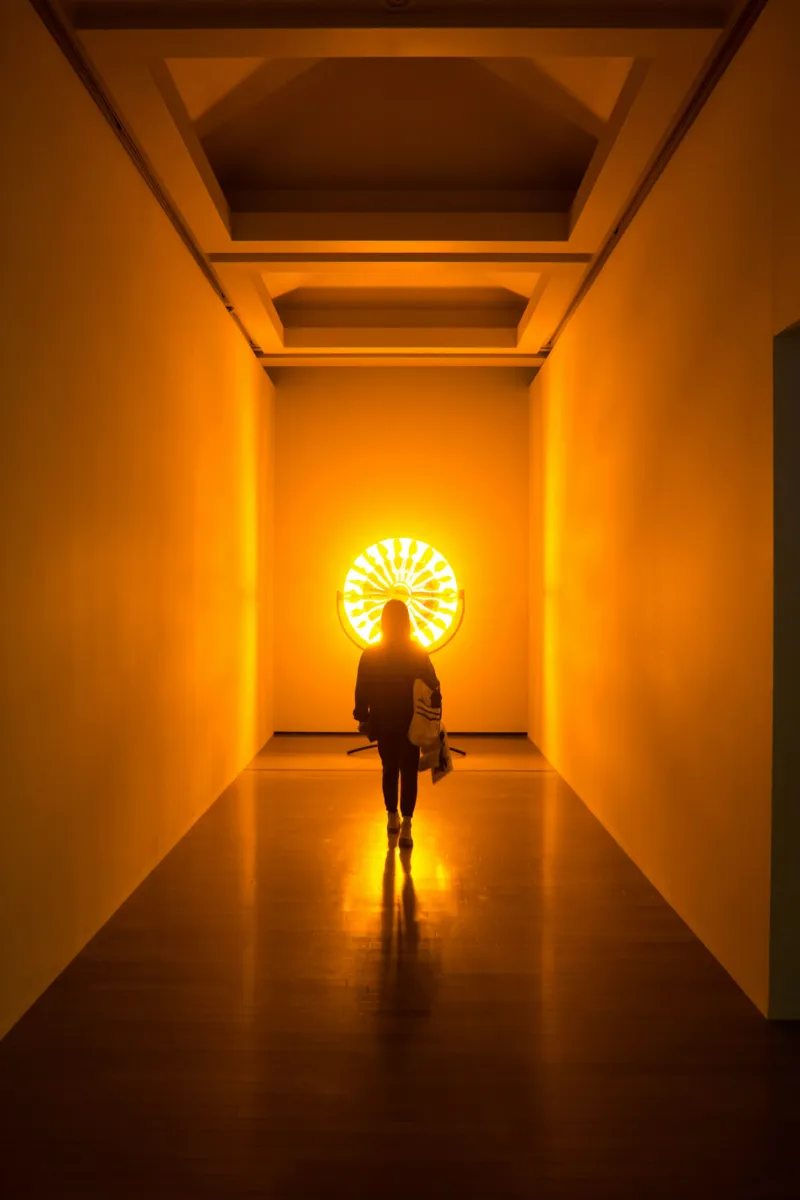
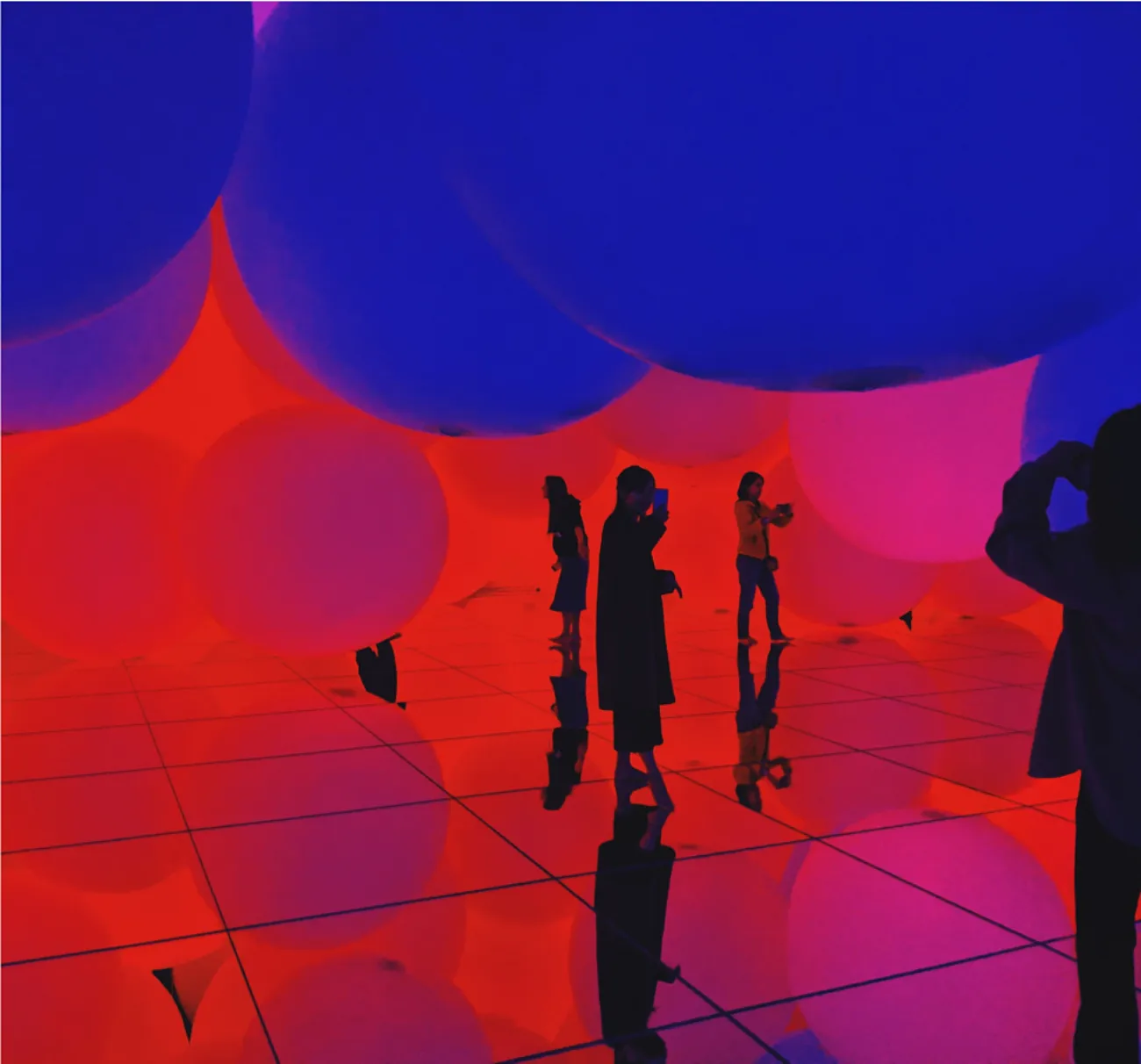
In an immersive experience, you are submerged in a new, often digital, world. By using technology, you can, for example, actually step into a piece of art while simultaneously stimulating different senses. When creating an immersive experience, technology like augmented reality, virtual reality, or mixed reality is often used.
The difference between AR, VR, and MR technologies
Before you can understand how the various technologies influence the experience, it is important to know the difference between three commonly used techniques: AR, VR, and MR.
- Augmented reality (AR)
Augmented reality takes place on top of the real environment using digital modifications, giving you a different experience than without the AR application. Think of how the game Pokémon Go works. Through your phone's lens, you see events that you wouldn't see in the real world without the AR application. - Virtual reality (VR)
Virtual reality is entirely separate from the real world, often experienced through a headset, so you can no longer see your surroundings. This allows you to fully immerse yourself in the virtual world. - Mixed reality (MR)
Mixed reality is similar to augmented reality in that it combines the actual environment with digital applications. However, the big difference is that the digital applications can modify the real environment. For example, in Smartphone Orchestra, spectators determine the course of the concert via their phones.

How is immersive technology applied in culture?
Many examples of immersive cultural experiences have been developed by commercial parties. They have quickly developed smart business models using immersive technologies. Their experiments have familiarized a new audience with this type of cultural offering, providing opportunities for the entire cultural sector. Learn from the examples below:
Immersive technologies in museums
Every museum can make a big impression with immersive experiences. From classical to modern art, from renowned artists to up-and-coming talent – the immersive experience offers a unique audience experience for every movement. For example, at Vincent Meets Rembrandt, the iconic artworks of Van Gogh and Rembrandt are exhibited through projections on the walls of the Noorderkerk in Amsterdam. As a visitor, you walk through the works while experiencing the unique atmosphere of the building.
Also, take a look at Remastered, where each room offers interactive possibilities for the audience. One room immerses you in the artworks of various masters, while another allows you to bring your own creation to life using mixed reality. Experience how digital techniques can stimulate creativity.
Immersive experiences in theater
Immersive theater breaks the fourth wall and transforms the audience from spectators to main characters. To engage the audience in the story, many theater productions draw inspiration from the growing phenomenon of escape rooms. With ‘Sleepy Hollow’, Studio Immersief creates an interactive VR production where live scenes alternate with VR scenes to solve a mystery. Last year, the performance It Went Dark took it a step further to involve the audience. Visitors received a personalized audio experience, interactive video projections, and live performance.
Immersive experiences in music
Seeing your favorite artist perform via a VR headset or in a game (as Lil Nas X did in Roblox) is no longer new. With the ABBA Voyage tour, pop group ABBA provided a new experience for the audience: a ‘live’ concert with lifelike avatars of the band members. A unique experience on an almost unattainable scale, but one that offers plenty of inspiration. For instance, AMAZE transformed an old nightclub into an immersive music experience, where the audience moves through seven different rooms and is taken on an audio-visual tour with a different light, music, and interactive effects show in each room.
What is the appeal of an immersive experience?
The audience of the future is constantly seeking new experiences. And digital is naturally a part of that. Whether it's in the experience itself or in sharing photos and videos afterward. They are often not only interested in the art but also in the technology behind it. How is the experience created? What does it do to my perception? By tapping into that innovative spirit and tech interest, you attract a new audience.
This too is digital transformation
Digital transformation is still too often thought of as making collections available online. But it is so much more than that. It is also about renewed audience experiences, new (digital) value creation, and embracing digital artistic creation. Many of these developments are based on a digitization process. You can't create lifelike avatars of ABBA without first digitizing their physical performances. And you can't project art without digitizing it first. Once the foundation is in place, the digital world becomes your playground.
Podcast Culture Shift Season 3
In the third season of the podcast ‘Culture Shift’, we speak to a different international pioneer in the field of culture and technology in each episode. Think of innovations around gamification, AI, and data-driven work. How do they approach it, and what is the major added value for their audience and organization?
Host Anic van Damme and sidekick Splinter Chabot discuss these cases with an expert from the sector and ask the question: what inspiration can we draw in the Netherlands from this innovative example?
Episode 4 is about interactive quests: how can you activate your visitor with a mission and make a greater impact?
More articles per topic