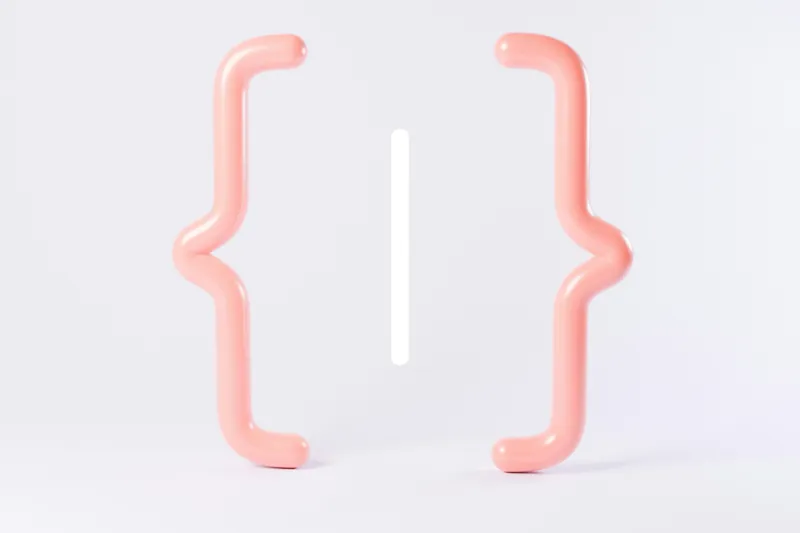
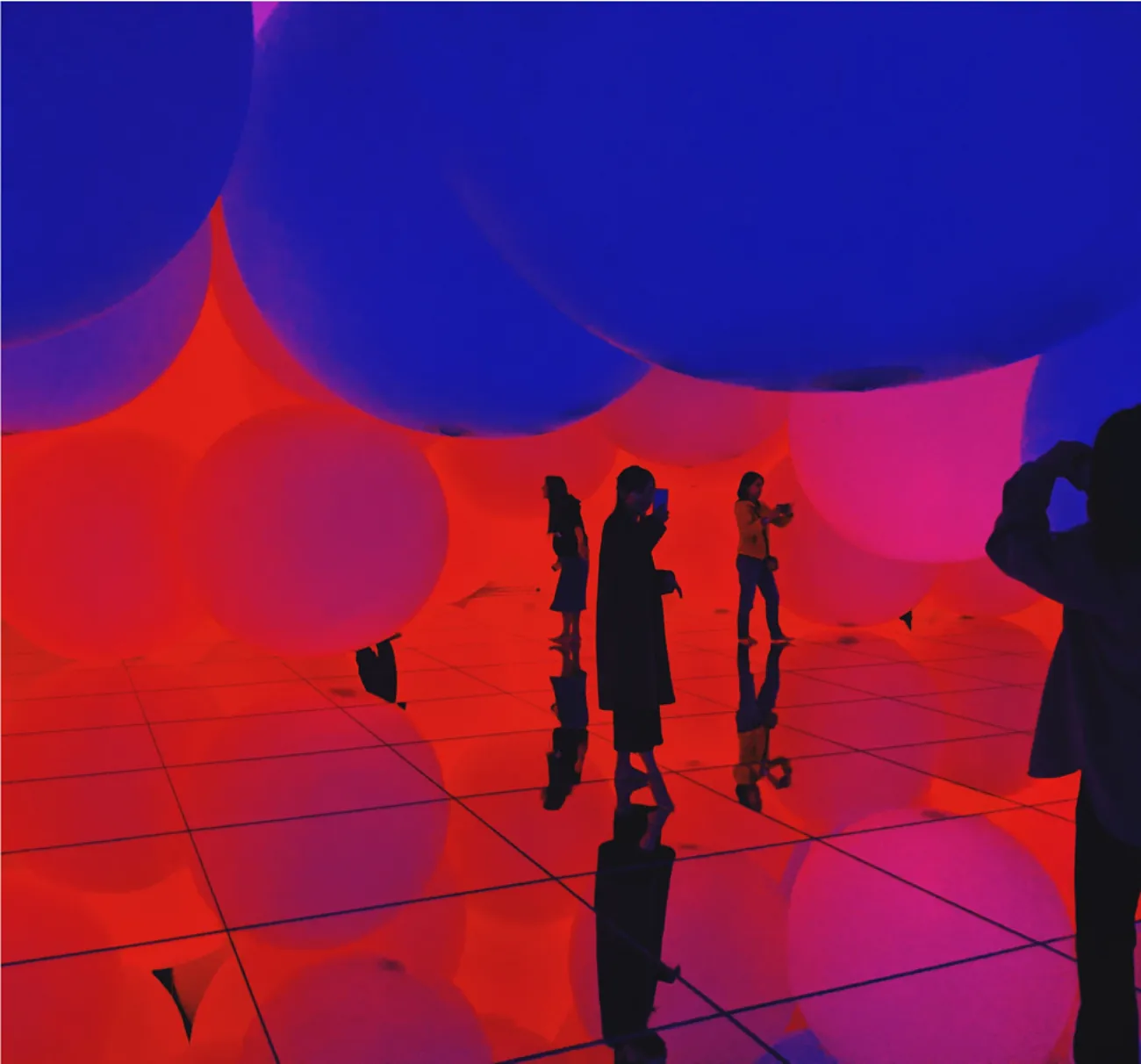
Whether you entered the MU Hybrid Art House (opens in new tab) through the exhibition ‘Poetics of Prompting (opens in new tab)’, an exhibition about the relationship between humans and AI tools, through the extended reality experience by Polymorf (opens in new tab) exploring a hybrid future of nature, or through the entrance at Torenallee: visitors of all ages immersed themselves in the candy-pink Digital Transformation Lab to explore the future of culture. Here, we challenged them with dilemmas about the role of technology in culture and interviewed them briefly about cultural experiences in the future and the role of technology in it. By better understanding visitors' sentiments, DEN can better support & inspire the cultural sector.
The responses from visitors reveal a widely shared desire: technology may support, inspire, and enrich culture — but human creativity, physical experience, and social connection remain essential and indispensable.
“I believe that AI will be fully integrated into our lives in the future, but that people in 2040 will still need physical encounters. The physical environment remains important — perhaps even more important than now. You can see this, for example, in the development of libraries, which are increasingly taking on the function of community centers. Other cultural spaces are also opening up as meeting places. AI can play a supporting role in this: in preparation, in guidance, but not as a replacement. I don't see AI as a threat but as added value. An accelerator that allows more time and attention for what is truly enjoyable and valuable.”

Due to the significant media attention on AI at that time, many participants mentioned the role of artificial intelligence (hereafter AI). Many participants see AI as a valuable tool for taking over repetitive tasks, accelerating creative processes, and enabling new forms of cultural expression. At the same time, there is caution: technology must not take over control. The creative autonomy of humans must remain central in art and culture. This desire for control is also evident from one of the dilemmas presented: 74% prefer to manage their own cultural agenda rather than having an AI system schedule it based on their cultural preferences. Autonomy remains crucial, both for creators and visitors, even in a future full of smart assistants.
"There is a lot of creative effort around AI, but whether it will truly determine our agenda and experiences, I doubt it. People like to feel that they are choosing for themselves, even if they are being influenced. I think the real potential lies in creative applications — that's where innovation is happening now."

Technology can also be used to make art more interactive or personalized. 80% of visitors do not merely want to ‘be part of’ AI-generated art in 2040 but want to create themselves with digital tools. Digital tools are seen as one of the means you can use to express yourself creatively, just as you would use a brush or pen.
"What I hope is that in the future, you can express yourself more in what you see. That you can let your own ideas influence art, actively enjoy it, and that it becomes interactive. That seems really fun to me. But I also think that physically enjoying art should remain a part of it — it's about the combination."
The societal effects of technology and digitalization were mentioned as a final theme. There is concern about risks such as increasing social inequality, loneliness, and the loss of physical meeting places. Climate change and other ethical issues were also discussed. The call is made to use technology to connect, not alienate.
"Where the art and culture sector will be incredibly important in 2040, in my opinion, is in connecting people — with each other and with new ideas. That is already essential now, but even more so in the future. In a world flooded with AI-generated content, which only makes everything vaguer and less personal, art and culture might be the last truly human anchor. Amid all the noise and clutter, it is precisely this that can continue to connect us in the physical world. So that we can still manage to hold on a little longer on this earth."
In summary, technology should contribute to solutions and not become a problem. With the right application, technology can enrich art, make it more accessible, enhance experiences, and address societal issues. “Imagining the future is the first step in shaping the future,” as stated in the introductory text at the entrance. It is now up to the cultural sector to take the second step.
The interviews were partially transcribed with AI. All AI applications were subsequently reviewed and improved by a human.

More articles per topic
More about digital transformation

Digitization, digitalization, and digital transformation: what do they mean and what are the differences?

Digital transformation: what is it and what can I achieve with it?
Digital transformation: what is it and what can I achieve with it?

Digital sovereignty in practice: how FOTODOK is gradually saying goodbye to Big Tech