

Which digital cultural projects are eligible for subsidies?
Many digital projects within the cultural sector are eligible for subsidies. Funds and governments specifically encourage initiatives that contribute to innovation, accessibility, and the sustainability of culture. This can involve both practical applications and experiments and research.
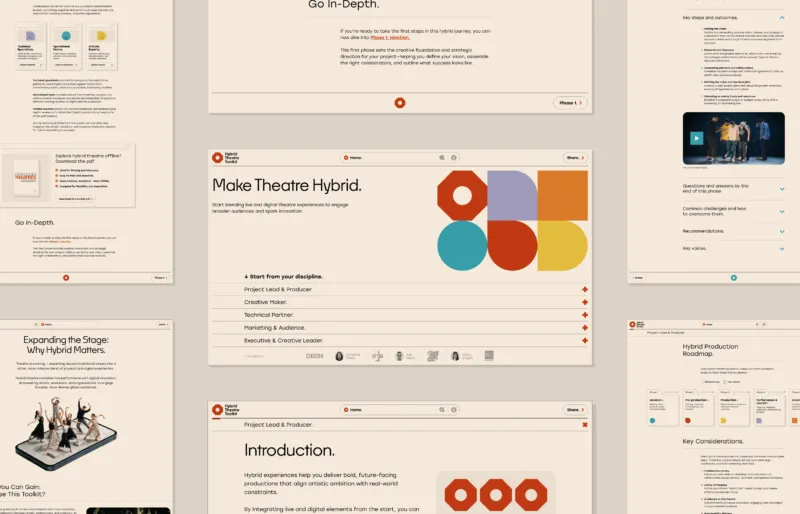
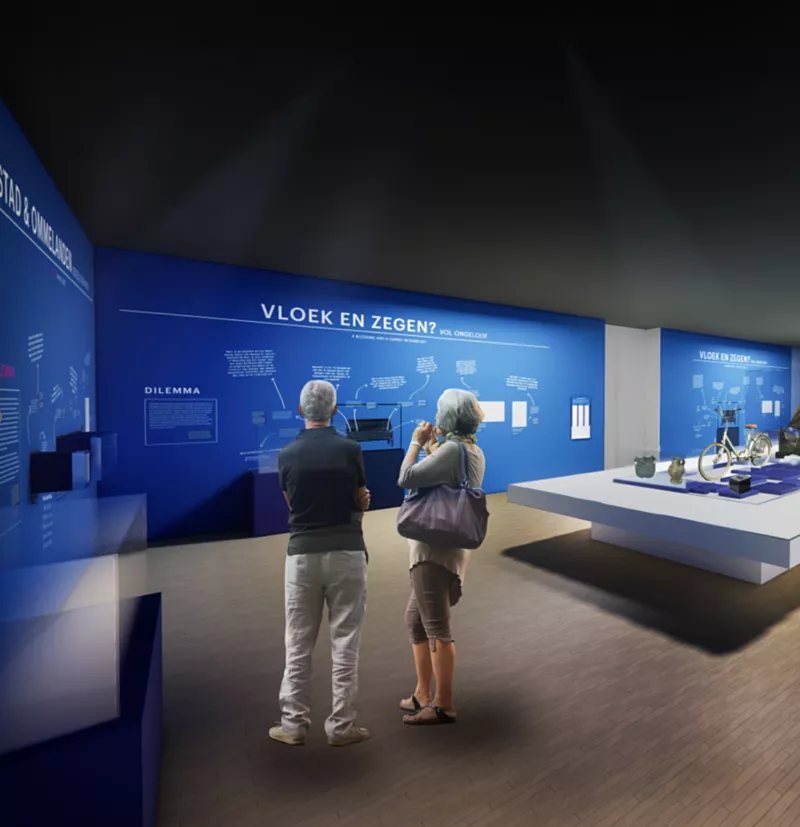
For example, this can include digitizing collections and archives, creating digital exhibitions or online platforms, and organizing hybrid or online audience activities. Projects involving technology such as AI or VR, initiatives for digital accessibility and inclusion, and research into new digital applications in heritage and culture are often eligible as well.
Depending on the subsidy scheme, both small-scale experiments and larger, multi-year projects can qualify for funding. It is therefore important to carefully review the objectives and conditions of each scheme.
Practical Examples



What subsidies and funds are available for digital projects in the cultural sector?
National subsidies: These often focus on heritage, culture, innovation, participation, and education. Digitization is regularly an important component or focal point.
Regional and municipal subsidies: Provinces and municipalities support digital projects that contribute to regional cultural participation, accessibility, and heritage preservation.
European schemes: For (larger) international collaborations and innovation in culture and digitization.
Private funds: Some funds support digitization from social, educational, or inclusive objectives.